

Tag: cancer

  • What Is TPN? All You Need To Know About This Life-Saving Treatment

    What Is TPN? All You Need To Know About This Life-Saving Treatment

    For patients who cannot absorb nutrients through their digestive system, total parenteral nutrition (TPN) can provide the essential nourishment needed to survive, recover, and maintain their health. This life-sustaining treatment delivers nutrients directly into the bloodstream when eating or tube feeding is not possible. 

    A Quick Overview of TPN

    Also called: Hyperalimentation, Intravenous (IV) Feeding/Nutrition, Central Venous Nutrition (CVN), Total Nutrient Admixture (TNA), and Home Parental Nutrition (HPN). 

    TPN is a nutritional support method that bypasses your digestive tract. This method delivers most of the nutrients your body needs directly into the bloodstream through a vein. For patients who cannot safely use their digestive systems, TPN may provide all the nutrients their bodies need.  

    When Is TPN Used?

    You may need TPN if you lack a functioning digestive system or when enteral nutrition is contraindicated. It may be used in all patients, regardless of their age (neonates, infants, children, adolescents, and adults). Depending on the underlying condition, a person may need parenteral nutrition for weeks, months, or a lifetime. 

    A healthcare provider may prescribe total parenteral nutrition for patients with [1]: 

    • Long-term obstruction of the intestine
    • Blockage in the small intestine
    • Intestinal movement problems that mimic a blockage without a physical obstruction 
    • Severe injuries or trauma that increase the body’s nutritional demands 
    • Severe diarrhea or vomiting 
    • Digestive tract fistulas that interfere with normal nutrient absorption 
    • Leaks that occur after intestinal surgery 
    • Inflammatory bowel disease (IBD) or critical illness, requiring the patients to avoid eating or drinking for longer than 7 days
    • Immature digestive system or defects in the digestive system at birth

    Use in Specific Conditions

    Stroke Patients

    Stroke is a medical emergency. It occurs when a certain part of the brain does not get enough blood flow. Stroke patients often experience problems swallowing foods or liquids. While enteral nutrition (EN) is the primary treatment in such cases, TPN may be considered if EN fails to fulfill the patient’s nutritional needs. 

    Cancer Patients

    Both cancer and its treatments can cause malnutrition. For example, intestinal cancer can cause obstruction, which limits the body’s ability to absorb nutrients. Likewise, cancer treatments can cause nausea, vomiting, loss of appetite, and difficulty swallowing. 

    A healthcare provider may prescribe TPN as an alternative feeding method when regular oral intake fails to meet the patient’s nutritional needs. 

    Patients with liver or kidney disease may still receive TPN, but healthcare providers carefully monitor them because these conditions can affect how the body processes nutrients. 

    How Is TPN Administered? 

    A team of doctors, nurses, pharmacists, and nutritionists will work together to determine your nutritional needs. For this purpose, they will check your medical history, lab results, and body mass index (BMI).

    A doctor or pharmacist then prepares a customized nutrition formula, which is delivered through a central venous catheter (CVC). A CVC, also called a central line, is a long, flexible pipe that carries nutrients to a large blood vessel in the chest. 

    Short-term TPN is typically administered as a 24-hour continuous infusion, while cyclic TPN is preferred for home infusion. 

    What Is in a TPN Bag?

    Nurse helping a patient set up a TPN bag and pump at home

    A TPN bag is a specialized container that stores the TPN formula. It is an all-in-one system in which all nutrients of the formula are mixed in a single bag and administered simultaneously. 

    A TPN bag contains lipids (fatty acids), sugar, minerals, amino acids, vitamins, electrolytes, and trace elements. The major macronutrients in a TPN admixture are [2]: 

    • Essential and non-essential amino acids excluding arginine and glutamine
    • Carbohydrate in various strengths, commonly 40%, 50%, and 70% 
    • Fatty acids, accounting for 25% to 30% of the total energy

    What Are the Benefits and Risks of TPN?

    TPN can play a critical role in supporting recovery and long-term health in patients who cannot use their digestive systems. 

    The primary benefit is providing essential nutrients when a person cannot meet their nutritional needs through oral intake. Besides, TPN is an optimal choice when enteral nutrition (tube feeding) is ineffective or contraindicated. 

    Certain medical conditions or surgery require you to temporarily avoid using the digestive tract. TPN can help sustain nutritional status and well-being during this period, allowing you to heal.

    Likewise, TPN is a useful therapy for newborns with an immature digestive system or defects in the digestive system. 

    Though TPN is safe, it comes with several risks, such as:

    • High or low blood sugar levels
    • Catheter-related complications, such as catheter sepsis, blood clots, and catheter blockage
    • Electrolyte imbalance
    • Liver problems, such as fatty liver, swelling of the gall bladder, and gallstones
    • Brittle or soft bones
    • High blood levels of blood fats called triglycerides

    Regular blood tests and medical monitoring can help reduce the risk of complications. It can include tests for blood sugar, electrolytes, minerals, and liver enzymes. 

    Can You Live on Parenteral Nutrition Forever?

    The long-term survival depends on the underlying condition behind intestinal failure rather than parenteral nutrition. TPN-related complications cause death in less than 10% of patients. In fact, TPN can help extend survival in patients with intestinal failure. 

    Does Medicare Cover TPN?

    Yes. Medicare may cover it, provided it is medically necessary. It may provide partial or full coverage depending on the medical condition and whether you meet the criteria for coverage. 

    What Is the Difference Between Partial Parenteral Nutrition (PPN) and TPN?

    Unlike TPN, PPN is often used for a short period, usually less than 14 days. PPN solution is more dilute and is intended to supplement nutritional requirements instead of completely replacing nutrients.

    References:

    1. Berlana, David. “Parenteral Nutrition Overview.” Nutrients vol. 14,21 4480. 25 Oct. 2022, doi:10.3390/nu14214480
    2. Hamdan M, Puckett Y. Total Parenteral Nutrition. [Updated 2023 Jul 4]. In: StatPearls [Internet]. Treasure Island (FL): StatPearls Publishing; 2026 Jan-. Available from: https://www.ncbi.nlm.nih.gov/books/NBK559036/
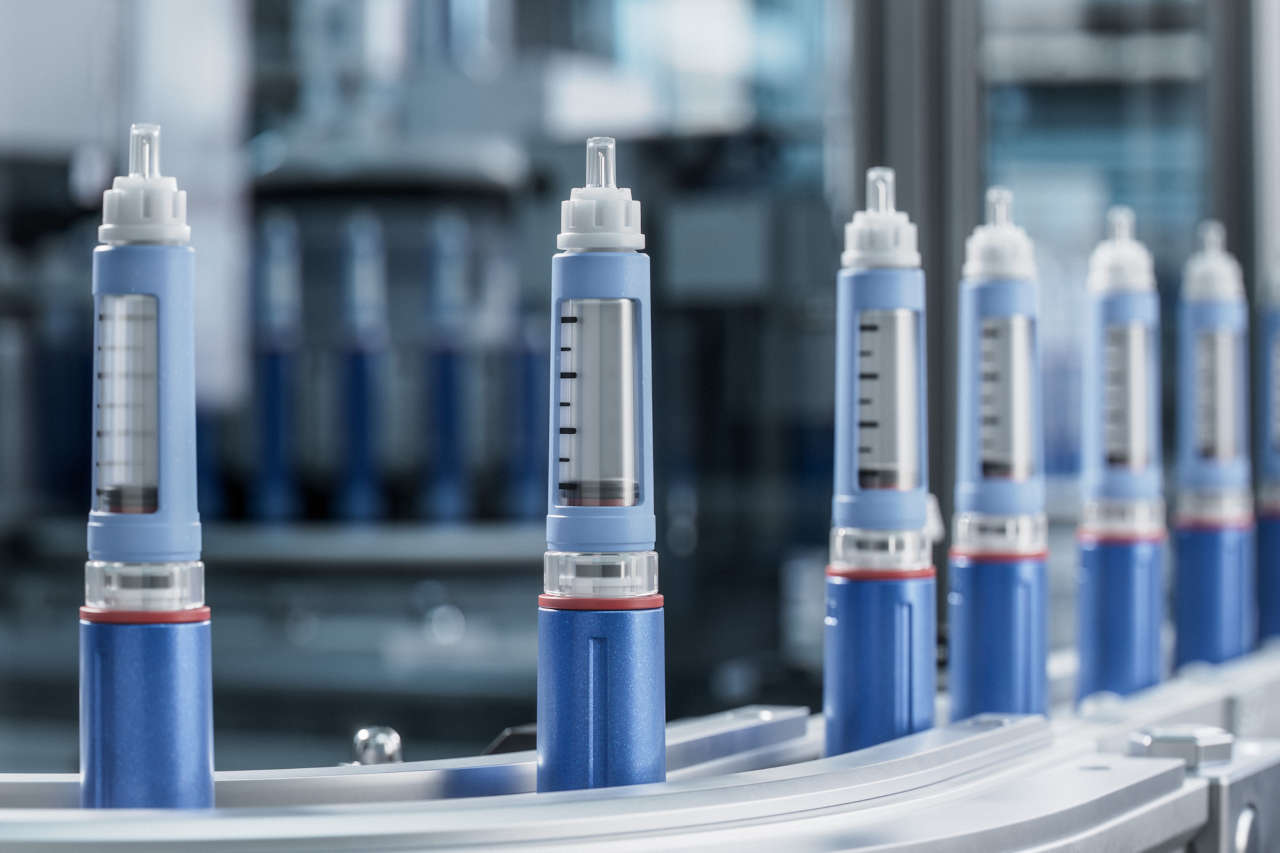
  • What Are Biologics? Understanding Their Role in Treating Complex Diseases

    What Are Biologics? Understanding Their Role in Treating Complex Diseases

    Modern medicine has come a long way in treating complex diseases. However, conditions like cancer, autoimmune diseases, and chronic inflammatory diseases can still be difficult to treat. Traditional medications are often effective, but they may not be the most suitable for all patients.

    This is where biologics play an important role. They have changed the way these complex diseases are treated. Biologics are more targeted and, in certain cases, more effective, potentially improving the quality of life for many patients.

    In this article, we’ll discuss everything you need to know about biologics, including what they are, their advantages, side effects, and much more.

    What Are Biologics?

    Biologics (also known as biological medications or biopharmaceuticals) are a class of medications derived from living organisms or their components, such as proteins or sugars [2].  In contrast to traditional medications, which are made using chemical processes, biologics are produced using biotechnology. In certain conditions — particularly complex or immune-mediated diseases — they can be more effective than traditional medicines [3].

    To make biologics, scientists first extract or copy genes that make the proteins they need. These genes are then inserted into host cells such as bacteria, yeast, or mammalian cells. These cells act as biological factories, producing large quantities of the therapeutic protein. For example, insulin is made using modified bacteria, and antibodies for cancer treatment are produced using engineered cells.

    Common biologics include vaccines, monoclonal antibodies, insulin, and gene therapies. Many are known as targeted therapies because they focus on specific parts of the immune system or certain proteins that cause disease, rather than affecting the whole body. For example, in some cancers, biologics such as monoclonal antibodies bind to cancer cells, helping the immune system find and destroy them more effectively.

    How Do Biologics Work?

    Biologics work differently from most traditional medications. Many traditional medications can affect multiple biological pathways, whereas biologics are designed to target specific molecules or cells. For example, some biologics can block specific proteins that trigger inflammation in autoimmune or inflammatory diseases. Others work by targeting abnormal cells, such as cancer cells, without harming most healthy cells. Another class of biologics works by replacing missing or defective proteins in the body. Because of this targeted action, they can be more effective in certain conditions and may reduce some side effects, although they can introduce others.

    Types of Biologics

    There are several types of biologics, each designed for different purposes. Here are some of the main types [1]:

    Monoclonal Antibodies: These are lab-made proteins that mimic your body’s immune defenses. They can recognize and bind to specific targets such as cancer cells. Because of this precision, they are widely used in cancer and autoimmune diseases. For example, Herceptin (trastuzumab) is used to treat certain breast cancers by targeting a specific protein called HER2 that’s found in some breast cancer cells [4]. By attaching to this protein, trastuzumab slows cancer cell growth and helps your immune system destroy them.

    Patient receiving a vaccine shot, which is one of the most cost-effective biologics

    Vaccines: Vaccines usually contain weakened or inactive parts of viruses or bacteria. They train your immune system to recognize and fight harmful pathogens without causing the disease. Vaccines are among the most cost-effective biologics, saving about 3 million lives globally each year [2].

    Recombinant Proteins: These are proteins produced using genetic engineering when the body cannot produce sufficient amounts naturally. They replace missing or deficient proteins and restore normal body functions. Examples include insulin, coagulation (or clotting) factors, and growth hormones.

    Gene Therapy: This type of therapy offers a long-term solution or even one-time treatment for certain inherited genetic disorders. Gene therapy works by correcting or replacing faulty genes. For example, Luxturna is a gene therapy used for inherited retinal disease. It delivers a healthy copy of a defective gene directly into your retinal cells [5].

    What Are Biologics Used To Treat?

    Biologics are used to treat a wide range of diseases. In many cases, they provide benefits where traditional treatments are insufficient. Here are some of the conditions that they treat: 

    Cancers: Biologics can target cancer cells more selectively, reducing damage to healthy cells. Examples include targeted therapies and immunotherapies that help your immune system recognize and destroy cancer cells.

    Autoimmune Diseases: In these conditions, your immune system attacks your own body’s tissues and organs. Biologics help control this by blocking inflammatory pathways. Healthcare providers commonly prescribe them to treat autoimmune diseases such as rheumatoid arthritis, psoriasis, and Crohn’s disease.

    Diabetes: Insulin is one of the earliest biologics. It helps people with diabetes regulate blood sugar levels and prevent complications.

    Infectious Diseases: Vaccines are biologics that protect millions of people worldwide against infections. They contain weakened or inactive parts of viruses or bacteria that train your immune system to recognize those pathogens without causing the disease.

    Rare Genetic Disorders: Biologics can also provide missing or defective genes, helping patients manage inherited diseases. 

    Limitations

    Despite their benefits, biologics also have some limitations: 

    High Cost: Most biologics are very costly due to their complex manufacturing processes. For example, Cerezyme is used to treat Gaucher disease, but this treatment can cost hundreds of thousands of dollars per year [6].

    Your Body May Reject the Biologic: Biologics are made of large proteins. As a result, the immune system may recognize them as foreign and mount a response. This can reduce the medication’s effectiveness over time. For example, some patients taking Humira (adalimumab) may develop anti-drug antibodies, making the treatment less effective [7].

    Higher Risk of Infections: To control autoimmune diseases, some biologics suppress your immune system. This can increase the risk of infections. For example, TNF blockers used to treat arthritis increase your risk of infections such as tuberculosis.

    Requires Injection: Most biologics are fragile and are destroyed in your stomach. So, you need to take them as infusions or injections, typically under the skin (subcutaneous) or into the veins (intravenous), but can also be into the muscle (intramuscular), though rare.

    Cost

    Biologics are much more expensive than traditional medications because they are made from living cells using advanced biotechnology. This process is complex and highly sensitive. Production facilities must maintain strict sterile conditions to prevent contamination. Even minor variations in conditions can compromise production. This complex production process increases cost. As a result, treatment can cost thousands of dollars per month. 

    Due to these high costs, insurance companies often limit access. They may tell you to try cheaper options first. Some biologics may not be covered by insurance.it

    To solve this, another class of medications, called biosimilars, is also available. These are similar versions of existing biologics. They have similar effectiveness and safety profiles. But they are available at a much lower cost. For example, Humira (adalimumab) can cost around $7,000 per month, while its biosimilar, Amjevita, may cost about 50% less.

    Future Outlook

    Biologics represent one of the fastest-growing areas in modern medicine. Scientists are developing personalized treatments based on a person’s genetics to improve effectiveness and reduce side effects. Advances in gene-editing technologies such as CRISPR may one day help cure certain genetic diseases rather than just manage them. 

    Cancer immunotherapy is also improving. These approaches may lead to more precise and effective treatment options. Researchers are also exploring biologics for neurological and age-related diseases. Due to their ability to target diseases at a molecular level, biologics may one day shape the future of healthcare.

    References

    1. Wikipedia contributors. (2026, February 25). Biopharmaceutical. Wikipedia. https://en.wikipedia.org/wiki/Biopharmaceutical
    2. World Health Organization: WHO. (2020, February 18). Biologicals. https://www.who.int/health-topics/biologicals#tab=tab_1
    3. Research, C. F. B. E. A. (2018, February 6). What are “Biologics” Questions and answers. U.S. Food And Drug Administration. https://www.fda.gov/about-fda/center-biologics-evaluation-and-research-cber/what-are-biologics-questions-and-answers
    4. Genentech. (n.d.). HER2+ Breast & Stomach Cancer Treatment Option | Herceptin® (trastuzumab). Herceptin. https://www.herceptin.com/
    5. LUXTURNA® (voretigene neparvovec-rzyl). (n.d.). LUXTURNA® (voretigene neparvovec-rzyl) – Inherited Retinal Disease. LUXTURNA® (Voretigene Neparvovec-rzyl). https://luxturna.com/
    6. Cerezyme Prices, Coupons, Copay Cards & Patient Assistance. (n.d.). Drugs.com. https://www.drugs.com/price-guide/cerezyme
    7. HUMIRA® (adalimumab) – A Biologic Medication. (n.d.). https://www.humira.com/
    8. Humira Prices, Coupons, Copay Cards & Patient Assistance. (n.d.). Drugs.com. https://www.drugs.com/price-guide/humira
    9. Drugs.com. (n.d.). Amjevita vs Humira Comparison. https://www.drugs.com/compare/amjevita-vs-humira