

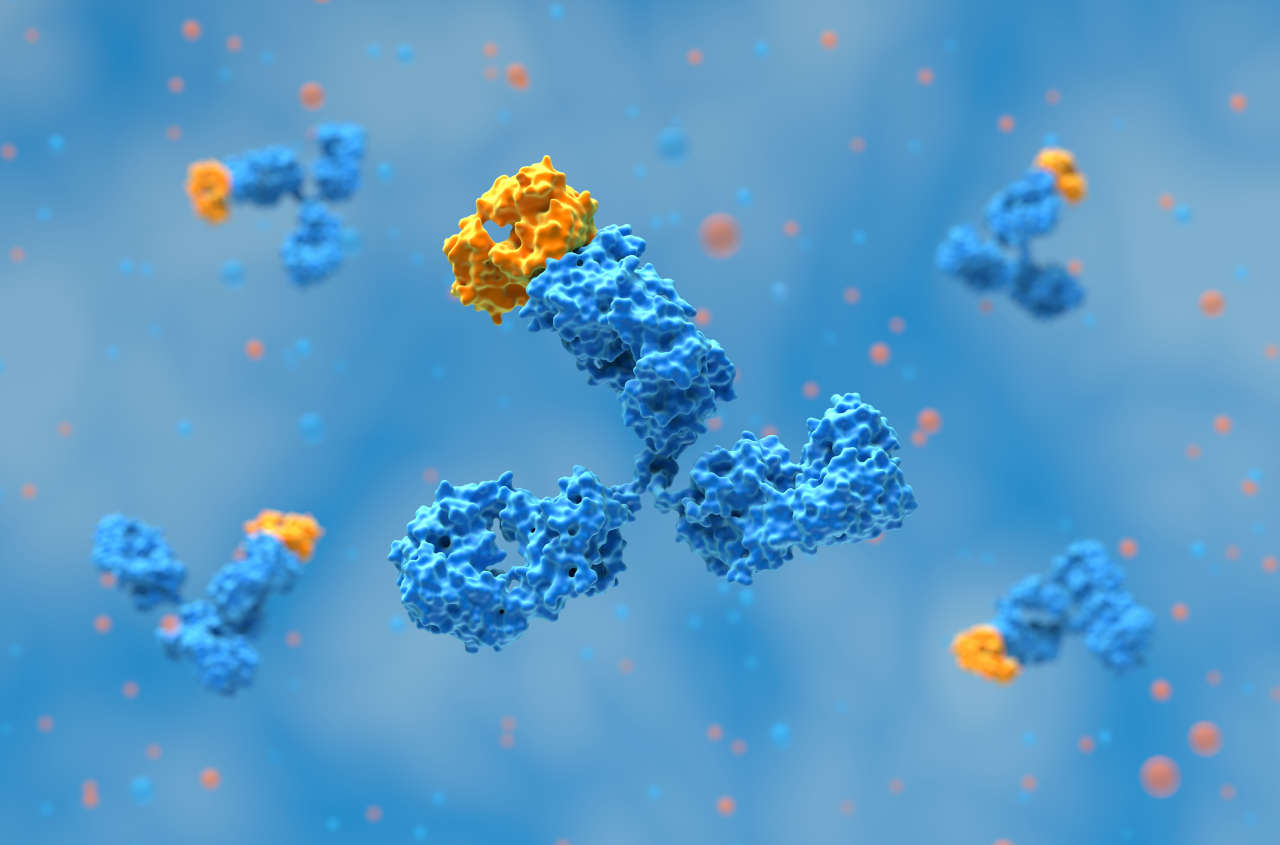
Though biosimilars and original biologic products have no clinically meaningful differences, they can differ in regulatory approval processes and cost.
What Are Original Biologic Products?
Original biologic products, or simply biologics, are FDA-approved medications obtained from living organisms. They can be produced from plant cells, animal cells, or microorganisms, such as bacteria and yeast [1].
Types of biologics include:
- Hormone therapies
- Transplant tissues
- Monoclonal antibodies
- Vaccines
- Cell therapy
- Gene therapy
- Recombinant proteins
Biologics may be used to treat a variety of conditions, such as autoimmune disorders, genetic diseases, diabetes, arthritis, asthma, and cancer.
Unlike conventional drugs, biologics are complex molecules and are usually given via injection or infusion. They can also be expensive, and many biologics are dispensed through specialty pharmacies.
Examples of original biologic products available in the U.S. include:
- Humira (adalimumab)
- Enbrel (etanercept)
- Remicade (infliximab)
- Avastin (bevacizumab)
- Herceptin (trastuzumab)
- Rituxan (rituximab)
- Neulasta (pegfilgrastim)
- Lantus (insulin glargine)
- Lucentis (ranibizumab)
What Are Biosimilars?
Biosimilars are medications that are very similar, but not identical, to the original biologic products. According to the FDA, a biosimilar must have no clinically meaningful differences from its original biologic product [1].
In addition, a biosimilar and its original biologic product must have the same:
- Mechanism of action (how a medicine works)
- Route of administration (how a medicine is administered)
- Strength and dosage form
- Potential side effects
Interchangeable Biosimilars
An interchangeable biosimilar is a biosimilar medication that may be substituted for its original biologic product at the pharmacy level without the prescriber changing the prescription, subject to state pharmacy laws.
Examples of Biosimilars and Their Original Biologic Products
| Biosimilar brand | Original biologic product | Status | FDA approval date |
| Zimrixby (rituximab-cdxx) | Rituxan | Biosimilar | July 31, 2026 |
| Garzulys (insulin aspart-fsan) | Novolog | Biosimilar | July 24, 2026 |
| Ranluspec (ranibizumab-hkdz) | Lucentis | Interchangeable biosimilar | June 2, 2026 |
| Immgolis Intri, (golimumab-sldi) | Simponi Aria | Interchangeable biosimilar | May 15, 2026 |
| Immgolis (golimumab-sldi) | Simponi | Interchangeable biosimilar | May 15, 2026 |
| Ennumo (pegfilgrastim-pccg) | Neulasta | Biosimilar | May 7, 2026 |
| Langlara (insulin glargine-aldy) | Lantus | Interchangeable biosimilar | April 29, 2026 |
| Ponlimsi (denosumab-adet) | Prolia | Biosimilar | March 27, 2026 |
| Filkri (filgrastin-laha) | Neupogen | Biosimilar | Jan 15, 2026 |
| Nufymco (ranibizumab-leyk) | Lucentis | Biosimilar | Dec. 23, 2025 |
| Boncresa (denosumab-mobz) | Prolia | Biosimilar | Dec. 19, 2025 |
| Oziltus (denosumab-mobz) | Xgeva | Interchangeable biosimilar | Dec. 19, 2025 |
| Armlupeg (pegfilgrastim-unne) | Neulasta | Biosimilar | Nov. 28, 2025 |
| Osvyrti (denosumab-desu) | Prolia | Biosimilar | Nov. 20, 2025 |
| Jubereq (denosumab-desu) | Xgeva | Biosimilar | Nov. 20, 2025 |
| Poherdy (pertuzumab-dpzb) | Perjeta | Interchangeable biosimilar | Nov. 13, 2025 |
| Eydenzelt (aflibercept-boav) | Eylea | Biosimilar | Oct. 2, 2025 |
| Xtrenbo (denosumab-qbde) | Xgeva | Biosimilar | Sept. 26, 2025 |
| Enoby (denosumab-qbde) | Prolia | Biosimilar | Sept. 26, 2025 |
| Aukelso (denosumab-kyqq) | Xgeva | Biosimilar | Sept. 16, 2025 |
| Bosaya (denosumab-kyqq) | Prolia | Biosimilar | Sept. 16, 2025 |
Source: https://www.drugs.com/medical-answers/what-biosimilar-drugs-3573970/
Biosimilars vs. Biologics: What Are the Differences?
The FDA requires all biosimilars to have “no clinically meaningful differences” from their original biologic products before they are available on the market.
However, biosimilars usually differ from the original biologic products in terms of:
Regulatory Approval Process
Both biosimilars and original biologic products need to undergo rigorous testing before they are approved for the market.
However, a biosimilar undergoes extensive testing to demonstrate that it is highly similar to the original biologic product and has no clinically meaningful differences in safety, purity, and potency. On the other hand, original products are evaluated to establish their safety and effectiveness.
The differences in testing in no way mean that biosimilars are less effective or have low standards.
Cost
In general, biosimilars are expected to cost less than their original biologic products. It is partly because the development of biosimilars typically costs less than that of the original biologic products.
For example, according to the Generics and Biosimilars Initiative, manufacturers spend about $100 million to $200 million to develop a biosimilar. The entire process takes about 10 years and involves approximately 500 patients [2].
In comparison, developing an original biologic product takes about $800 million and involves approximately 1,000 patients.
Lower costs may encourage broader insurance coverage of biosimilars, potentially giving patients access to additional treatment options [3]. In addition, the approval of biosimilars may help lower treatment costs by increasing competition.
However, whether biosimilar availability consistently lowers patients’ out-of-pocket costs is less clear. For example, according to a 2024 study, biosimilar competition has not been consistently associated with lower out-of-pocket costs for commercially insured patients [4].
Are Biosimilars Safe and Effective?
Yes. FDA-approved biosimilars have no clinically meaningful differences in safety or effectiveness compared with their original biologic products.
To make sure biosimilars are as safe and effective as the original biologic products, the FDA reviews data and studies before approval, during manufacture, and after approval.
How Are Biosimilars and Generics Different?

While biosimilars and generics are both versions of already marketed brand-name products, they are different. Biosimilars are produced from living organisms, but generics are usually made from chemical ingredients.
What Are Some Common Types of Biologics?
Some common types of biologics include:
- Monoclonal antibodies
- Vaccines
- Cell and gene therapies
- Recombinant proteins
What Are the Potential Side Effects of Biologics?
Potential side effects of biologics include:
Infections
Serious infections may occur during treatment with some biologics. Certain biologic medications affect the immune system in ways that can increase the risk of infection.
According to a Cochrane review, among individuals who used any biologic, 35 individuals out of 1,000 experienced severe infections compared to 26 individuals out of 1,000 who took placebo [5].
Talk to your healthcare provider immediately if you get any signs of an infection.
Allergic Reactions
Symptoms of an allergic reaction can include shortness of breath, chills, redness, or itchy eyes. Some patients may also describe pain, warmth, and itchiness at the injection site.
If you have any of these symptoms, inform your nurse or healthcare provider immediately.
References:
- Office of the Commissioner. (2023, August 17). Biosimilar and Interchangeable Biologics: More treatment choices. U.S. Food And Drug Administration. https://www.fda.gov/consumers/consumer-updates/biosimilar-and-interchangeable-biologics-more-treatment-choices
- Comparison of the cost of development of biologicals and biosimilars. (n.d.). Zwebb Stockholm. https://www.gabionline.net/reports/comparison-of-the-cost-of-development-of-biologicals-and-biosimilars
- Research, C. F. D. E. A. (2024, August 1). Biosimilars Basics for patients. U.S. Food And Drug Administration. https://www.fda.gov/drugs/biosimilars/biosimilars-basics-patients
- Feng, Kimberly et al. “Patient Out-of-Pocket Costs for Biologic Drugs After Biosimilar Competition.” JAMA health forum vol. 5,3 e235429. 1 Mar. 2024, doi:10.1001/jamahealthforum.2023.5429
- Cochrane. (2025). Side effects of nine commonly used biologics. Cochrane. https://www.cochrane.org/evidence/CD008794_side-effects-nine-commonly-used-biologics